
Category: Fuel Markets

  • Fraud in Energy Markets: Why Verification and Transparency Matter

    Fraud in Energy Markets: Why Verification and Transparency Matter

    Energy markets depend on something that rarely appears on a power plant balance sheet or a commodity specification sheet:

    Trust.

    Electricity, natural gas, coal, petroleum products and other fuels are physical commodities. But the markets connecting producers to consumers rely heavily on information—prices, volumes, generation capabilities, fuel specifications, transportation capacity, contractual rights and countless other data points.

    Utilities need to know that contracted fuel will arrive. Traders need confidence that counterparties control the commodities they claim to be selling. Grid operators depend on accurate information about generation and demand. Market participants rely on price benchmarks that are supposed to reflect legitimate transactions.

    When that information is wrong because of an honest mistake, markets usually have mechanisms for correcting it.

    When information is intentionally falsified for financial gain, however, the issue can become something much more serious:

    fraud.

    (more…)
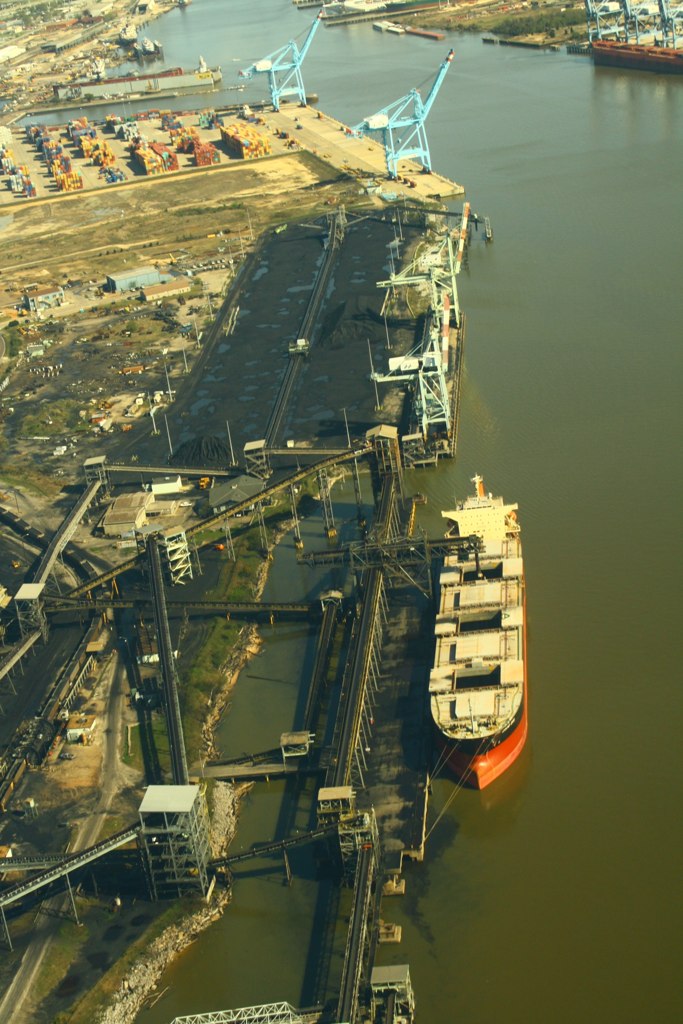
  • From Mine to Power Plant: Understanding the Global Coal Supply Chain

    From Mine to Power Plant: Understanding the Global Coal Supply Chain

    Coal is often discussed as a single commodity, but in reality it is part of one of the world’s most complex industrial supply chains. Every tonne burned in a power plant represents a coordinated effort involving mining companies, railroads, ports, shipping companies, traders, laboratories, insurers, financial institutions, and utility operators. Understanding this supply chain helps explain why coal remains a critical component of the global energy system despite rapid changes in the broader energy landscape.

    More Than Just Mining

    The journey begins at the mine, but that is only the first step. Coal quality can vary significantly depending on its origin, with characteristics such as calorific value, moisture, ash content, sulfur, volatile matter, and grindability influencing where and how it can be used. Utilities carefully evaluate these specifications because even small variations can affect boiler performance, emissions, maintenance requirements, and overall operating costs.

    (more…)