Read PowerGen Insights

  • Why Energy Infrastructure Matters Again

    Why Energy Infrastructure Matters Again

    For much of the past three decades, discussions about energy and energy infrastructure have focused primarily on one question:

    How do we transition to a lower-carbon future?

    Today, another challenge has rapidly moved to the forefront:

    How do we produce enough reliable electricity to support a rapidly electrifying and increasingly digital economy?

    Ironically, the question that dominated energy policy for much of the past three decades also helped create today’s challenge. Across much of the developed world, the drive to reduce emissions often focused on retiring existing dispatchable generation, particularly coal-fired power plants, faster than equally reliable replacement capacity could be built. Combined with years of underinvestment in new baseload and dispatchable generation, the result has been tighter power markets, shrinking reserve margins, and growing concerns about grid reliability. Today, many of the same utilities and policymakers who once focused primarily on what generation should be retired are now asking how to preserve, modernize, repower, or replace that dependable capacity. The lesson is that reliability must remain a central objective throughout any transition.

    The answer is far more complicated than simply building more generation.

    (more…)
  • The Data Center Power Problem Is No Longer About Energy—It Is About Deliverable Capacity

    The Data Center Power Problem Is No Longer About Energy—It Is About Deliverable Capacity

    America’s rapidly expanding data-center industry is changing the way electricity infrastructure must be planned. For much of the past two decades, U.S. electricity demand remained relatively flat. That period is ending.

    The U.S. Energy Information Administration now expects the strongest four-year period of electricity-demand growth since 2000, driven largely by data centers and other large computing facilities. But the central challenge is not simply producing more electricity. It is delivering sufficient power to the precise locations where these facilities are being developed—and doing so on the timelines their developers require.

    That distinction is critical.

    Energy Is Not the Same as Capacity

    Electricity is commonly measured in two different ways. Energy, measured in megawatt-hours, represents the total amount of electricity produced or consumed over time. Capacity, measured in megawatts, represents the amount of power that can be supplied at a particular moment.

    A region may produce enough electricity over the course of a year while still lacking sufficient dependable capacity during periods of peak demand. It may also have adequate generating capacity somewhere within the broader system but lack the transmission infrastructure required to deliver that electricity to a specific data-center site.

    In other words, available electricity on paper is not necessarily deliverable electricity.

    This is why the renewed importance of generation cannot be separated from substations, transmission lines, fuel infrastructure, interconnection rights and the physical locations of existing power plants.

    Why Energy Infrastructure Matters Again

    Data Centers Create Concentrated, Continuous Demand

    Data centers are different from many traditional commercial loads. A major computing campus can require hundreds of megawatts of continuous power, placing industrial-scale demand at a single point on the grid.

    That demand must be served not only during normal operating conditions, but also during extreme weather, generator outages, transmission constraints and periods when intermittent resources are producing less electricity.

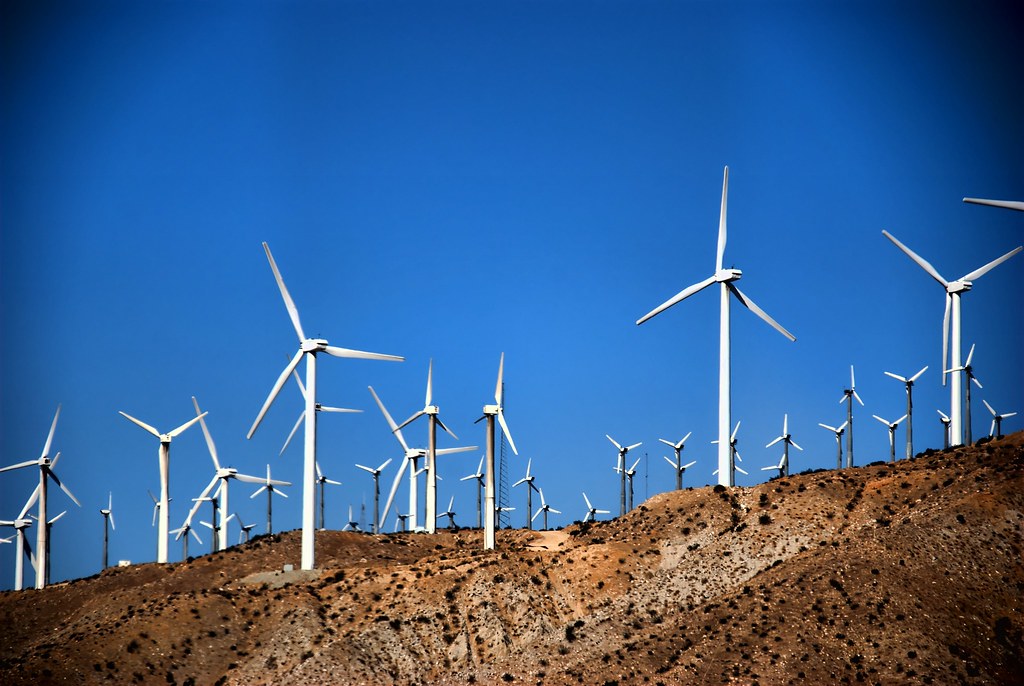
    This does not mean renewable generation has no role. Solar, wind and battery storage may play a role in the evolving power system. The problem is that dependable service requires a complete portfolio of resources, including generation that can operate when called upon.

    Natural gas, nuclear power, hydroelectric generation, existing thermal plants, energy storage and other dispatchable resources will all contribute. In some locations, engineered fuels could also help preserve or repurpose existing generating assets that already possess valuable grid connections.

    PowerGen Insights article on engineered fuels

    The Interconnection Has Become a Strategic Asset

    For many power projects, the most valuable feature may no longer be the generating equipment itself. It may be the site’s existing access to the electric grid.

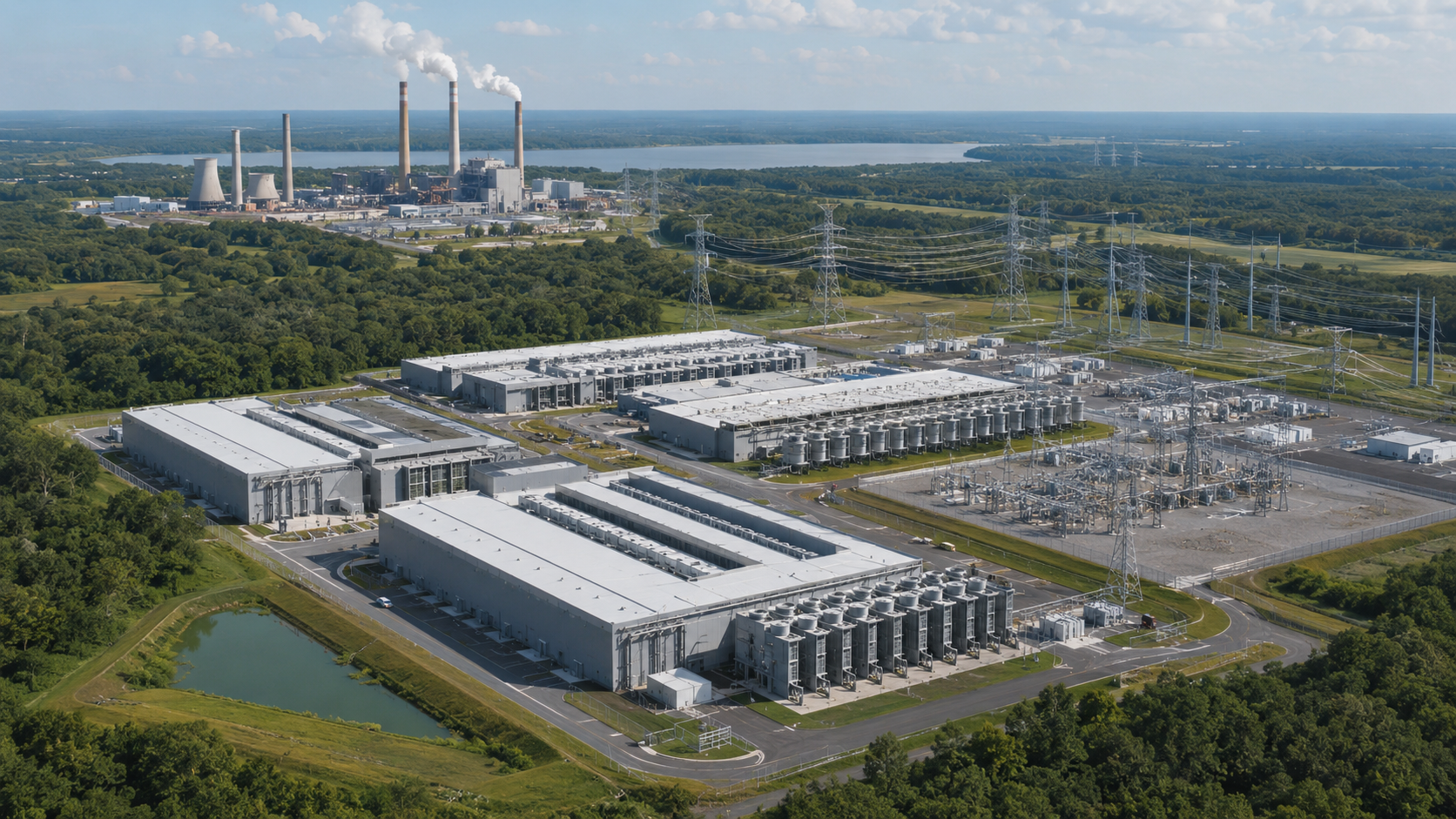
    Former and operating power-plant sites can offer transmission connections, substations, industrial zoning, water access, rail infrastructure, fuel-handling systems and established relationships with utilities and local communities. Reusing those assets may be faster and more practical than developing an entirely new site.

    This is one reason retired and underutilized power plants are receiving renewed attention. Some may be repowered with new generating technology. Others may support co-located data centers, industrial facilities, battery systems or combinations of generation and large loads.

    Federal regulators have also recognized that existing interconnection procedures were not designed for the scale and speed of today’s data-center development. In June 2026, the Federal Energy Regulatory Commission directed six regional grid operators to justify or reform the rules governing how data centers and other large loads connect to the transmission system. The proceeding specifically addresses co-location, behind-the-meter generation, transmission costs and the availability of adequate generation.

    Power Demand Extends Beyond the Data Center

    The electricity footprint of artificial intelligence is not limited to the servers operating inside a data center. Digital infrastructure depends on an extensive physical supply chain involving semiconductor plants, construction materials, cooling systems, electrical equipment and large quantities of plastic components.

    Real-Cycle has examined this overlooked connection in its discussion of how the AI boom depends on plastics and why responsible material recovery must accompany technological expansion.

    The AI Boom Is Built on Plastics

    Advanced industrial facilities can also become major power users themselves. Circular refineries such as the proposed FlexOnyx platform illustrate how energy infrastructure, manufacturing and resource recovery increasingly intersect. Facilities that convert waste plastics into fuels and chemical feedstocks require dependable power, industrial infrastructure and long-term planning.

    FlexOnyx.com

    The Real Race Is for Speed to Power

    Data-center developers are therefore not merely searching for inexpensive electricity. They are searching for sites where large quantities of dependable power can actually be delivered within a commercially acceptable schedule.

    EIA has noted that long development, construction and interconnection timelines make it unlikely that substantial generating capacity beyond projects already planned can enter service in the immediate forecast period. Faster-than-expected demand must therefore be met largely by increasing the use of existing assets.

    The competitive advantage will belong to regions and projects that can combine generation, transmission access, fuel security, permitting and realistic development schedules.

    The data-center power problem is no longer simply about how many megawatt-hours America can produce. It is about whether dependable megawatts can be delivered to the right place, at the right time and before the opportunity moves elsewhere.

  • The Evolution of Engineered Fuels: Solving Modern Challenges with Existing Infrastructure

    The Evolution of Engineered Fuels: Solving Modern Challenges with Existing Infrastructure

    The global energy industry is facing a difficult balancing act. Electricity demand is rising, driven by economic growth, electrification, and more recently the rapid expansion of data centers and artificial intelligence. At the same time, utilities and industrial energy users are under increasing pressure to reduce emissions, improve sustainability, and control costs.

    While much attention is focused on building new generation, an equally important opportunity lies in making better use of the infrastructure that already exists. One of the most promising tools in that effort is the continued evolution of engineered fuels.

    What Are Engineered Fuels?

    The term “engineered fuels” encompasses a broad family of manufactured fuels designed to meet specific performance requirements. Unlike traditional fuels that are simply extracted from the earth, engineered fuels are intentionally produced by blending, processing, and refining feedstocks to achieve consistent physical and combustion characteristics.

    (more…)
  • From Mine to Power Plant: Understanding the Global Coal Supply Chain

    From Mine to Power Plant: Understanding the Global Coal Supply Chain

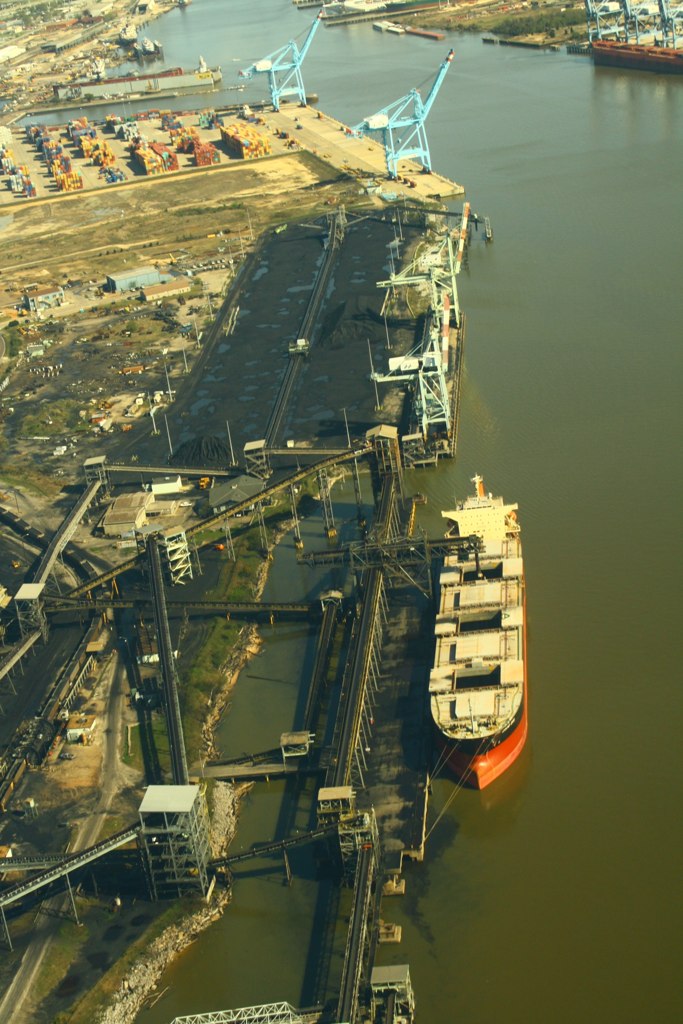
    Coal is often discussed as a single commodity, but in reality it is part of one of the world’s most complex industrial supply chains. Every tonne burned in a power plant represents a coordinated effort involving mining companies, railroads, ports, shipping companies, traders, laboratories, insurers, financial institutions, and utility operators. Understanding this supply chain helps explain why coal remains a critical component of the global energy system despite rapid changes in the broader energy landscape.

    More Than Just Mining

    The journey begins at the mine, but that is only the first step. Coal quality can vary significantly depending on its origin, with characteristics such as calorific value, moisture, ash content, sulfur, volatile matter, and grindability influencing where and how it can be used. Utilities carefully evaluate these specifications because even small variations can affect boiler performance, emissions, maintenance requirements, and overall operating costs.

    (more…)